Maksym Tereshchenko Charitable Foundation
Coming back is not arriving. It is staying
We walk alongside veterans, displaced people and those returning from abroad: making sense of their rights and services, finding work or starting a business, and putting down roots in a community.
Maksym Tereshchenko Charitable Foundation, reg. no. 44908157. Zaporizhzhia, Ukraine.
01 Context
Millions are rebuilding their lives - almost always on their own
The war will end long before its consequences do. A veteran, a displaced family and someone returning from abroad all hit the same wall: no clarity on what they are entitled to, where to obtain it, or what to live on next.
-
1,761,405
veterans on the State Register of War Veterans
Ministry of Veterans Affairs of Ukraine, 1 March 2026
-
5-6m
veterans and their family members after the war - a projection amounting to more than a tenth of the country
Ministry of Veterans Affairs projection, 2026
-
5.1m
internally displaced people inside Ukraine
IOM, General Population Survey, round 16, 2025
-
65%
of refugees abroad intend to return; 52% within a year if conditions allow
IOM, Lives on Hold, round 3, 2024
There is still no reliable employment data for veterans in Ukraine - which in itself shows how poorly the system sees these people. Sources: Ministry of Veterans Affairs of Ukraine, International Organization for Migration (IOM).
02 Programmes
Three lines of work
Entitlements do not feed anyone without work, and work does not hold anyone without belonging. So we run all three at once, for the same person.
-
Navigation
We work through the person's actual situation: which statuses, payments and services they are entitled to, where to obtain them and in what order. Not a one-hour consultation, but accompaniment through to a result.
- Case review and a plan of action
- Accompaniment through statuses and paperwork
- A map of services available locally
-
Employment
We help people return to work or start their own business: reskilling, digital skills, job-readiness, and support for veteran-, women- and youth-led enterprise.
- Reskilling and digital skills
- CVs, interviews and work with employers
- Support in starting a business
-
Belonging
We help people put down roots where they are: peer support groups, joint initiatives between locals and newcomers, and work with the community doing the receiving.
- Peer support groups, not therapy
- Joint initiatives of locals and newcomers
- Work with communities and employers
03 Where we work
Our geography
The foundation is based in Zaporizhzhia - a city people leave and return to alike. We are expanding into regions where displaced people and veterans' families are concentrated.
- Zaporizhzhia oblast Foundation base
- Dnipropetrovsk oblast
- Kharkiv oblast
- Donetsk oblast
- Kherson oblast
- Mykolaiv oblast
Specific communities are chosen on request from residents, local authorities and employers - not according to our own expansion plan.
04 Flagship project
Navigator
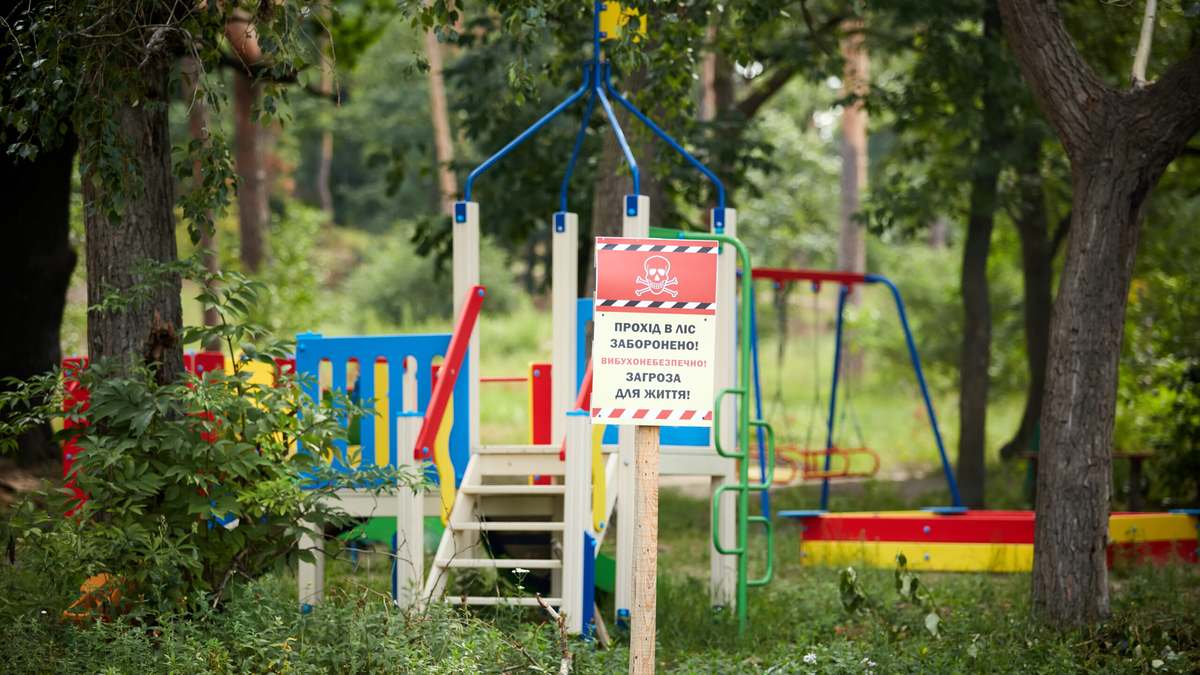
A map of rights and services, and a case system that takes a person from first contact to a closed case - while showing exactly where people get stuck.
The aim is that support should not depend on whether someone was lucky enough to reach a well-informed member of staff. What is worked out in one community should work in the next without being rebuilt from scratch.
- Stage
- design
- Pilot region
- Zaporizhzhia oblast
- Access
- open to communities
-
Map of rights and services
What a veteran, a displaced person and a family are entitled to, where to obtain it and which documents are needed.
-
Case accompaniment
A person's path from first contact to result, with every step and owner recorded.
-
Map of barriers
Anonymised data on exactly where people get stuck - for communities, public services and donors.
-
Handover to communities
We give the method and the tool to other organisations rather than holding them as our own advantage.
05 How it works
From first contact to putting down roots
-
First contact
A person, a family or a community comes to us with a specific situation - not a category, but a question that needs resolving.
-
Case review
We establish what the person is legally entitled to, what is actually available nearby and what is missing. The output is a plan with deadlines, not a list of phone numbers.
-
Accompaniment
We walk the path together: paperwork and statuses, training, work or a business. Specialist help is handed to licensed partners, and we make sure the person actually reaches them.
-
Putting down roots
We stay in touch after the case is closed. Whatever did not work is recorded as a barrier, so the next person does not have to walk the same path.
06 Philosophy
What we believe, and where our limits are
An organisation working with people in a vulnerable position has no right to vague wording. So here is both what we do and what we never do.
The war will end long before its consequences do. Someone who has lost their home, their health or their work does not return to their former life - they build a new one, and almost always alone.
Our work begins where the list of services the state knows how to provide runs out.
-
The result is a person who stayed
Success, for us, is not the number of activities held. It is how many people obtained their status, found work, started a business and remained in their community. Everything else is process, not outcome - and we do not confuse the two in our reporting.
-
We know the limit of our own competence
We are not doctors, therapists or lawyers. Our work is navigation and accompaniment; where licensed help is needed we take the person to a partner rather than imitating their work. Overestimating yourself here costs someone time they do not have.
-
We do not decide for people
Accompaniment is not guardianship. The person decides; our job is to make that decision informed and achievable. Someone who has been decided for does not put down roots - they simply trade one dependency for another.
-
Technology serves the work, not the reverse
Navigator does not exist because digital tools are in fashion. If the system does not shorten a person's path and does not let a caseworker take on more people, we have no use for it, however modern it looks.
-
A barrier we find has to become public knowledge
An individual case is assistance; a recurring barrier is a system. Where people get stuck again and again, we record it and hand it to communities, public services and donors. Otherwise a foundation treats the symptom and makes itself permanent.
-
Independence is a procedure, not a promise
The foundation serves the interests of no company and no political force. Decisions on programmes, and on whose donations to accept, are taken collectively. The right to refuse a contribution whose terms conflict with our charter matters more to us than the size of that contribution.
07 Support
Your contribution is measured in people who stayed
A donation to the foundation buys hours of accompaniment, reskilling, seed support for a new business, and the tool that makes this work repeatable. Give once, or set up a monthly subscription.
- Accompanimentcaseworkers' time, case review, getting to people
- Trainingreskilling, digital skills, job readiness
- Own businessseed support for veteran-, women- and youth-led enterprise
- The toolthe map of rights and services, and the case system
Make a contribution
DonateBy making a transfer you accept the terms of the public offer. A charitable donation is voluntary and is not refundable.
08 About
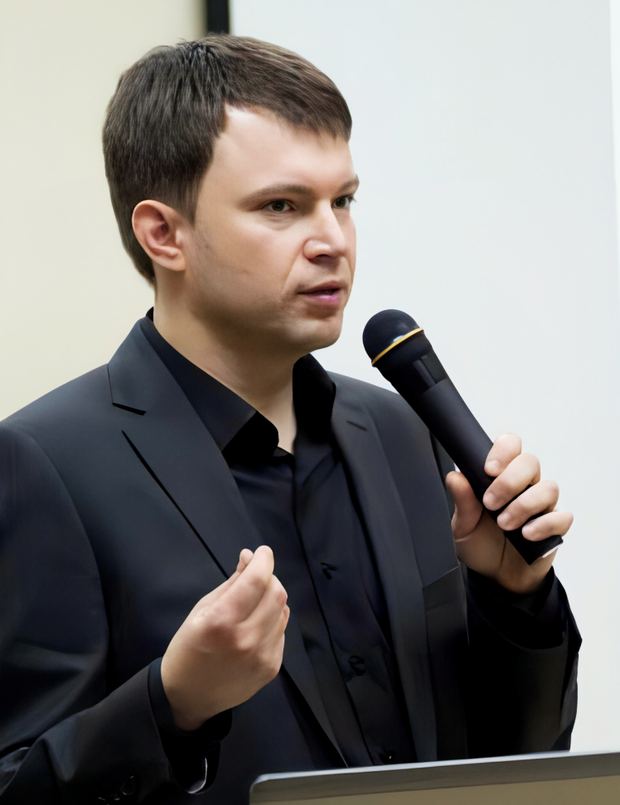
Maksym Tereshchenko
Founder
An entrepreneur, public figure and volunteer who has been helping Ukrainians through difficult situations since 2014.
The foundation grew out of that work - once it became clear that the hardest part begins not during the disaster but after it, when a person is left alone with paperwork, statuses and the question of what to live on next.
- Veterans and their families
- Displaced people and returnees
- Employment and enterprise
- Bringing in partners
09 Contact
Get in touch
Write to us if you represent a community, a donor organisation, an employer or a service we can refer people to - or if you want to help in some way other than a donation.
- Office
- 15 Stalevariv St, Zaporizhzhia, Ukraine
- Phone
- +380 66 037 31 21
- Legal entity
- Maksym Tereshchenko Charitable Foundation, reg. no. 44908157